
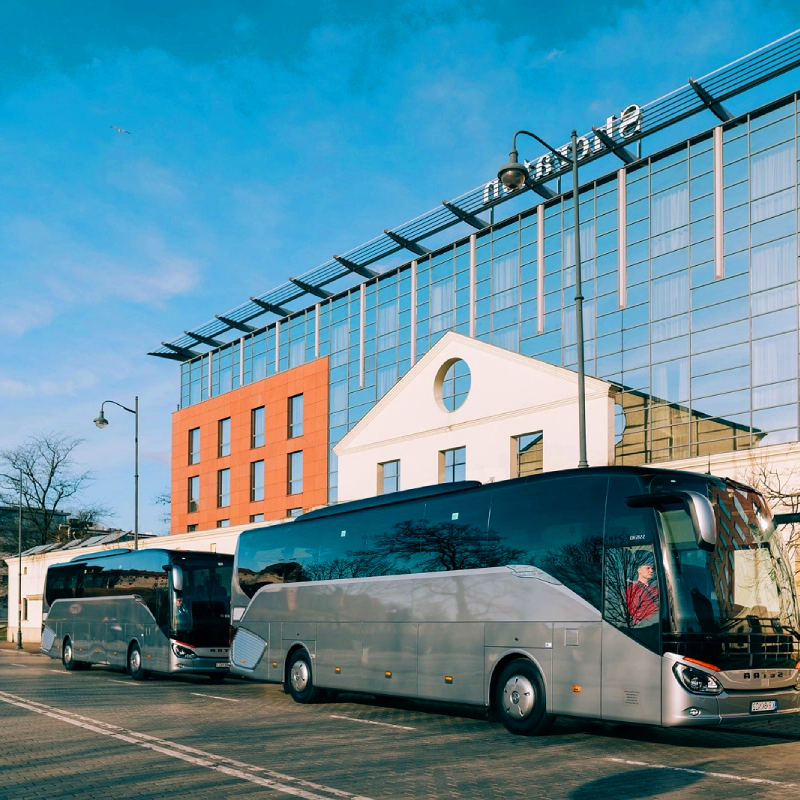
We are Visit Auschwitz – a trusted partner for exploring the most interesting and educational historical sites around Krakow. As a government-licensed tour operator, we prioritize your safety and comfort by offering full insurance on all our services. Our fleet is the best in Lesser Poland, boasting the latest and greatest Mercedes Benz and Setra vehicles. We’ve been one of the most successful companies in Krakow local tourism for over 15 years – and we’re proud of the experience we gathered along the way.
Our experienced, English-speaking guides are dedicated to providing you with the best service possible. They’re friendly, they’re experienced, and they will cater for all your needs during your tour or transfer. We guarantee that every aspect of your visit is handled with care and professionalism. We offer a friendly payment system and a flexible return policy, making it easy for you to plan and book your tour with confidence.
Join us for a meaningful journey that honours the past while providing a comfortable and reliable travel experience. Book your tour today and discover why we are the preferred choice for visitors from around the world.
- A Comprehensive Guide on Auschwitz Entrances
- Auschwitz Birkenau concentration camp history
- Auschwitz Concentration Camp – Largest extermination camp by Nazi Germany
- Auschwitz-Birkenau Memorial and Museum – Everything You Need to Know
- Auschwitz: Placing the Atrocities in Historical Context
- Contact us
- German Death Camp
- History in schools
- Our Tours
- Plan Your Visit To The Auschwitz Concentration Camp
- Prestigious job with no private life
- Prices
- The Holocaust: Educational Resources for Teachers and Students
- The Military Strategies of Nazi Germany
- The richest Poles 2014
- Transfers
- Travel broadens the mind
- World War II History: Understanding the Holocaust and War Crimes